


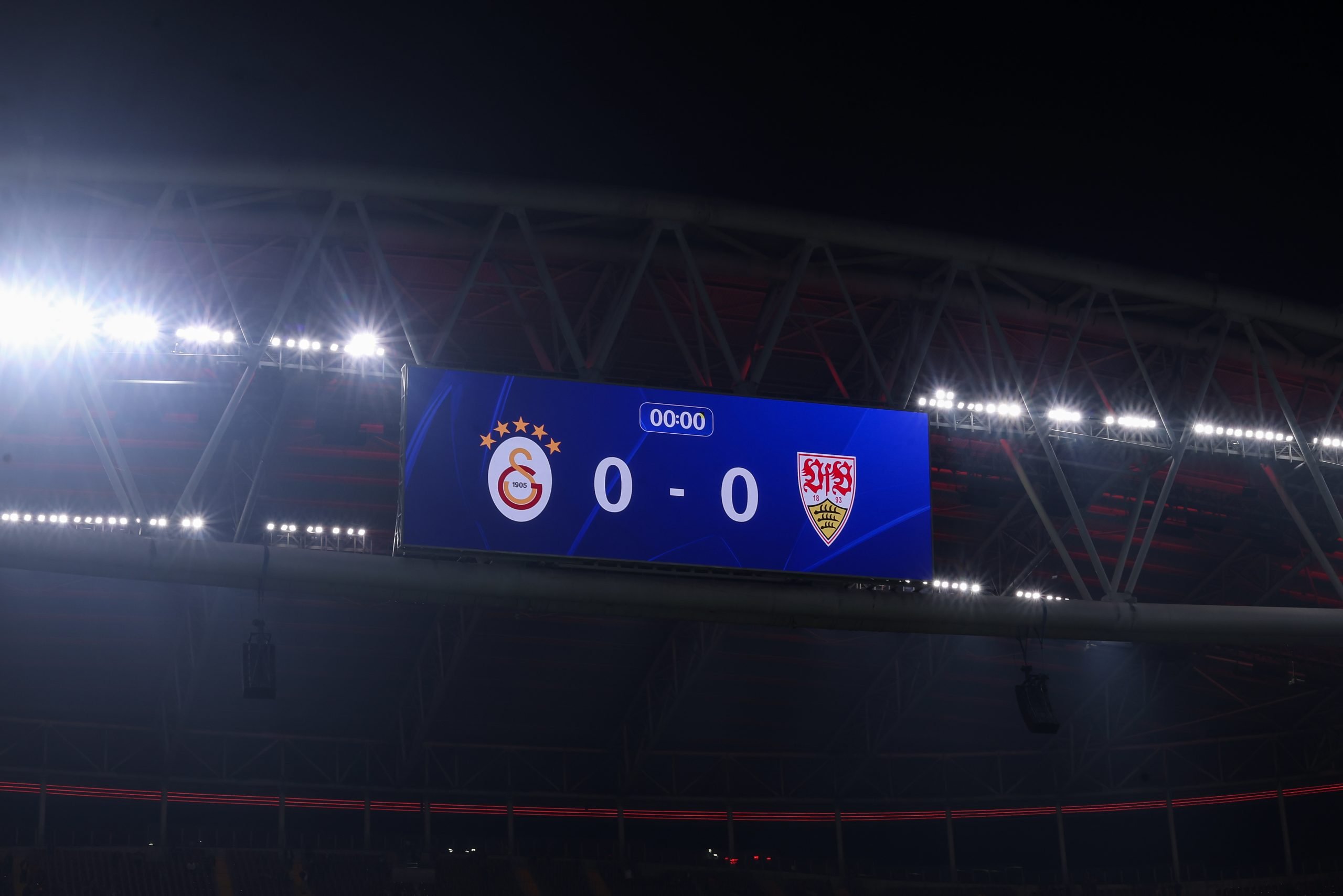
For the second time in three days, a German football club has raised questions about unusually loud whistling during a European fixture in Turkey. Following VfB Stuttgart goalkeeper Fabian Bredlow’s suspicions about artificial crowd noise during Tuesday’s Champions League defeat against Galatasaray, SC Freiburg head coach Julian Schuster has made similar observations after Thursday’s 1-0 Conference League victory over Trabzonspor.
Freiburg secured an important away victory against Thomas Reis’ Turkish side through a 14th-minute goal from Lukas Kübler. As detailed in Get German Football News‘ match report and player ratings, the Bundesliga representatives dominated the opening stages before withstanding considerable second-half pressure to preserve their narrow lead.
The hostile atmosphere inside Trabzonspor’s stadium nevertheless became a talking point following the final whistle. According to Kicker, reporting from Trabzon, portions of the intense whistling appeared to originate from the stadium’s loudspeakers rather than exclusively from spectators. The publication also described an unusually prominent chorus of whistles that briefly drowned out Freiburg’s celebrations after the match.
Schuster acknowledged noticing something unusual about the noise.
“Even though every five-year-old here is already taught how to whistle, there were situations in which the whistles were definitely different,” the Freiburg coach explained.
Stuttgart goalkeeper Fabian Bredlow raised similar concerns
Schuster’s observations follow a remarkably similar incident during Stuttgart’s Champions League encounter with Galatasaray in Istanbul on Tuesday evening. Stuttgart goalkeeper Fabian Bredlow questioned whether all the whistles heard during his side’s 2-0 defeat had genuinely originated from supporters.
“I don’t know if they were all generated by humans,” Bredlow remarked after the match. “Especially when the people were singing and then suddenly there were whistles. I thought to myself: Something’s not right here.”
The controversy had already begun before kickoff. Stuttgart’s official social media account published an image of loudspeakers inside Galatasaray’s stadium accompanied by three questioning emojis.
The post prompted criticism from Turkish supporters, after which Stuttgart deleted the image and apologized. Galatasaray subsequently accepted the apology.
The two incidents have nevertheless raised fresh questions about the possible use of electronically amplified whistling at European fixtures in Turkey. For the moment, the suspicions remain unproven. Neither Bredlow’s observations in Istanbul nor Schuster’s comments in Trabzon establish conclusively that artificial crowd noise was deliberately employed.
What is clear is that representatives of two Bundesliga clubs have now independently questioned the origins of unusual whistling during European matches in Turkey within the space of three days.